
 by
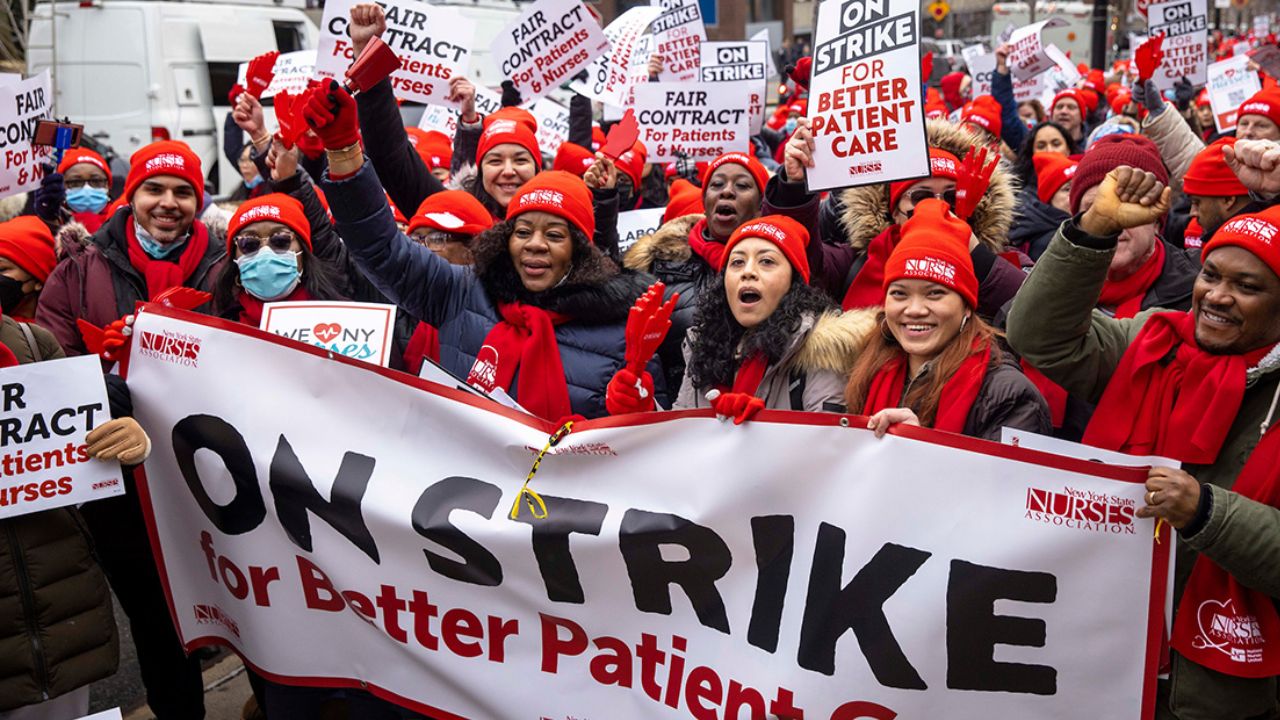
by New York City, New York — Up to 20,000 nurses across New York City could walk off the job in just 10 days, after union leaders issued formal strike notices amid a tense contract dispute with more than a dozen private hospitals. If it happens, the union says the action would become the largest nurse strike in New York City history.
The warning was issued Friday by the New York State Nurses Association, which represents nurses at hospitals throughout the city.
Strike deadline set for January 12
Under labor law, unions must provide advance notice before striking. NYSNA confirmed it has delivered 10-day strike notices, meaning nurses could begin striking as early as Jan. 12 if no agreements are reached.
Union leaders say negotiations have dragged on for months without meaningful progress.
“We have been bargaining for months, but hospitals have not done nearly enough to settle fair contracts that protect patient care,” said Nancy Hagans, president of NYSNA.
She added that while striking is not the union’s preferred option, nurses feel they have reached a breaking point.
“Striking is always a last resort; however, nurses will not stop until we win contracts that deliver patient and nurse safety.”
Hospitals across the city could be impacted
If the strike proceeds, it could affect care at several major New York hospitals, including:
- Brooklyn Hospital Center
- Mount Sinai Hospital
- New York-Presbyterian Hospital Columbia University Medical Center
Union officials say the exact number of facilities involved depends on where last-minute deals are reached.
Core demands: staffing, safety, benefits
The looming walkout centers on several key issues nurses say directly affect patient care, including:
- Safe staffing standards
- Guaranteed health benefits
- Stronger protections against workplace violence
Nurses argue that chronic understaffing has left them stretched thin, increasing burnout and jeopardizing patient safety.
Wage dispute remains a sticking point
Wages are also a major point of contention, though details vary by hospital.
Union representatives confirmed that NYSNA originally proposed 10% annual raises for three years, but later withdrew that demand during negotiations. The union has not publicly disclosed its current wage requests, saying they differ by facility.
Read Also: Colorado Hiker Dies in Suspected Mountain Lion Encounter, First in 25 Years
A spokesperson for Mount Sinai Health System offered insight into the dispute.
“After only a day of working with a mediator at one of our hospitals, NYSNA is yet again threatening to force nurses to walk away from patients’ bedsides — this time while continuing to insist on increasing average nurse pay by $100,000,” the spokesperson said.
Hospital leaders warn strike would be costly
Hospital groups are pushing back strongly, warning that a strike would strain already stressed healthcare systems.
Kenneth Raske, president of the Greater New York Hospital Association, called a potential strike “irresponsible.”
“Hospitals would have to spend tens of millions of dollars to bring in outside nurses,” Raske said, adding that the timing is especially concerning given looming federal funding cuts.
Raske pointed to the One Big Beautiful Bill Act, which he said would cut $8 billion from New York hospitals and could lead to the loss of an estimated 34,000 hospital jobs statewide.
Comparison to past strike
The last major NYSNA strike occurred in 2023, when about 7,000 nurses walked off the job at Mount Sinai Hospital and Montefiore Medical Center.
That strike lasted three days and ultimately resulted in contracts that included wage increases and other concessions for nurses — a precedent union leaders point to as proof that walkouts can force change.
Debate over nurse pay and public perception
Hospital leaders argue that nurse compensation in New York is already among the highest in the region.
“Nursing salaries today are significantly higher than those of other dedicated New York City professionals such as teachers, police officers, and firefighters,” Raske said.
Nurses counter that comparisons miss the point, saying staffing levels and working conditions — not just pay — are driving the dispute.
What happens next
Negotiations are expected to continue over the next 10 days, with mediation efforts underway at some hospitals. Both sides acknowledge that the window to avoid a strike is narrowing quickly.
If no agreements are reached, hospitals will begin implementing contingency plans, including bringing in temporary replacement nurses.
High stakes for patients and the city
A strike of this scale could disrupt care for thousands of patients across New York City, raising concerns about delays, reduced services, and increased pressure on remaining staff.
Union leaders say responsibility now lies with hospital administrators to avert a shutdown.
“The future of care in this city is far too important to compromise,” Hagans said.
Do you support the nurses’ demands, or are you concerned about the impact of a strike on patient care? Share your thoughts in the comments and join the conversation.