
 by
by Florida — A sweeping healthcare “mega bill” signed into law by former President Donald Trump is set to reshape parts of the Medicaid system, with some provisions expected to take effect as early as next year. While the law does not directly cut benefits for seniors or people with disabilities, experts warn that indirect consequences could still have a meaningful impact — particularly for low-income Floridians.
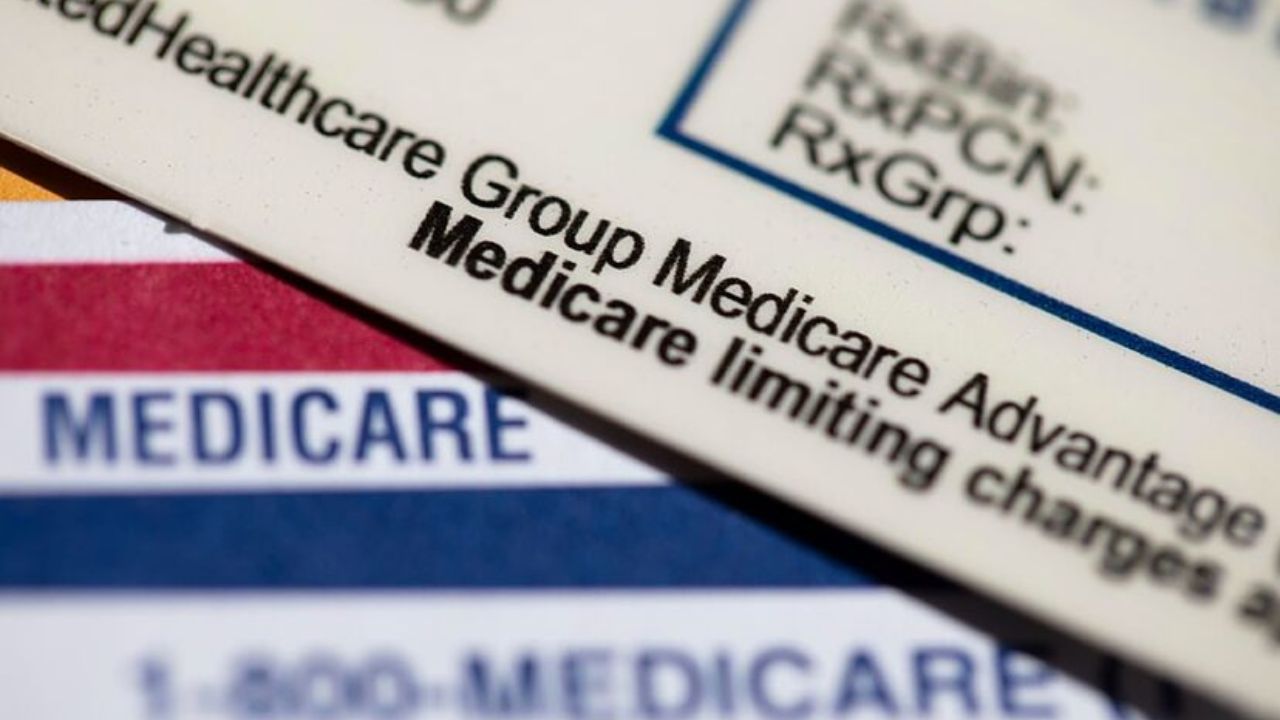
Medicaid, a joint federal and state program, helps cover healthcare costs for low-income families, older adults, and people with disabilities. Eligibility is based on income rather than age, but many seniors and disabled individuals qualify for both Medicaid and Medicare — a status known as dual eligibility.
No direct benefit cuts, but funding pressures loom
Under the new law, programs that serve elderly and disabled populations are not explicitly defunded. However, policy experts say the way Medicaid is financed at the state level could change in ways that affect care access and affordability.
Elder law attorney Jason Neufeld says the biggest concern is reduced flexibility for states.
“There’s a little bit less money to go around, and that has to have some kind of a negative impact,” Neufeld said.
“We don’t know what the state’s going to do to fill in the hole if there is a hole — so that remains unknown.”
Florida, like many states, relies heavily on a complex funding structure to maintain Medicaid services.
Provider tax limits raise concerns
One of the most significant changes involves tighter restrictions on provider taxes, a major funding mechanism states use to support Medicaid.
These taxes allow states to:
- Generate state-level revenue
- Draw down additional federal matching funds
- Help cover Medicaid costs through general funds and local contributions
Health policy experts warn that limiting provider taxes could leave states with fewer options, potentially forcing them to:
- Lower payment rates to healthcare providers
- Reduce optional Medicaid-covered services
- Limit provider participation, making it harder for patients to find care
While states are not required to cut services, experts say financial pressure may make difficult trade-offs unavoidable.
Medicare Savings Program freeze adds strain
The law also places a nine-year ban on improvements to the Medicare Savings Program, a critical support system for low-income Medicare beneficiaries.
This program helps eligible individuals pay for:
- Medicare premiums
- Deductibles
- Coinsurance and other out-of-pocket costs
Advocates say freezing improvements could erode the program’s effectiveness over time, especially as healthcare costs continue to rise.
For dual-eligible seniors — those relying on both Medicaid and Medicare — even small increases in out-of-pocket expenses can significantly affect access to care.
Read Also: What to Do in and Around Chicago Before Christmas Weekend
What this means for Floridians
Florida has one of the nation’s largest populations of seniors and low-income residents, making the state particularly sensitive to Medicaid funding changes.
While no immediate benefit cuts are mandated, experts caution that:
- Service availability could shrink
- Provider networks may narrow
- Administrative hurdles could increase for vulnerable populations
State lawmakers will ultimately decide how Florida responds to the new funding landscape, but Neufeld says uncertainty is already a concern for families planning long-term care.
Uncertainty ahead as implementation nears
Because Medicaid is administered by states within federal guidelines, the real-world effects of the law will depend heavily on state-level decisions in the coming years.
Experts emphasize that beneficiaries should stay informed, review their coverage regularly, and seek legal or advocacy support if changes begin to affect their access to care.
For now, officials say the law represents a structural shift rather than an immediate rollback, but one that could reshape Medicaid’s reach over time.
Do you think indirect Medicaid cuts are just as impactful as direct benefit reductions? Share your thoughts in the comments.