 by
by Portsmouth – As 2025 draws to a close, local advocates say requests for mental-health and addiction support are increasing, particularly among veterans, active-duty service members, and first responders. Community leaders warn that untreated PTSD and substance abuse continue to take a heavy toll, but one organization says help is available for those willing to reach out.
Growing Need for Support in the Community
Advocates working with veterans and first responders say the pressures of service, combined with personal and professional stress, often lead to silent struggles. PTSD and addiction frequently overlap, making recovery more complex and leaving many unsure where to turn for help.
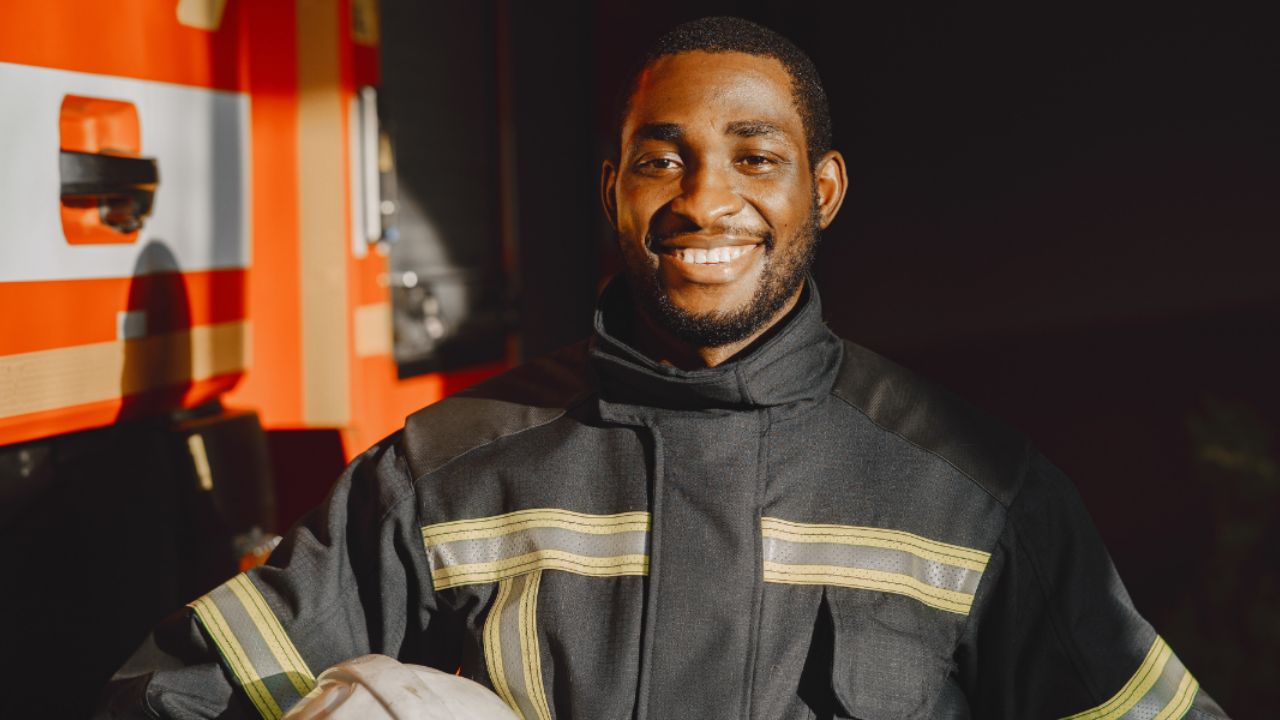
According to counselors, people in uniform are often the most reluctant to seek treatment, fearing stigma or believing they should handle problems on their own. That hesitation, experts say, can allow issues to escalate quickly.
How Warriors Heart Is Stepping In
One organization working to address this growing need is Warriors Heart, which provides treatment programs designed specifically for veterans, active-duty personnel, and first responders dealing with substance abuse and trauma.
The organization offers multiple pathways to care, including residential treatment, peer-led support, and crisis intervention. A key part of its approach is ensuring that those seeking help speak with staff who understand the unique challenges of service-related trauma.
A Personal Story of Recovery
For Michael O’Dell, now the Chief Operating Officer of the Warriors Heart Command Center, the mission is deeply personal.
“Substance abuse plagued me for many years,” O’Dell said.
He explained that despite being a Marine and someone others viewed as a “good kid,” addiction eventually derailed his life.
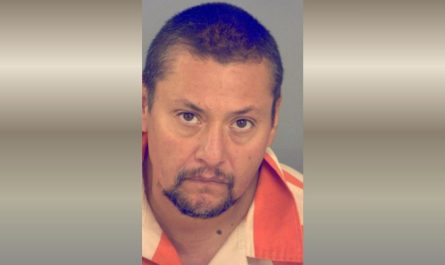
“In 2016, I found myself going to prison for two years on a three-year sentence for substance abuse,” O’Dell said. “I was asking myself how a good Marine ends up sitting in prison for substance abuse and mental-health issues.”
O’Dell says his experience shows how quickly life can change when someone avoids asking for help.
Why Asking for Help Is So Hard
Mental-health professionals say service members are trained to push through pain and prioritize others, which can make acknowledging personal struggles feel like failure. That mindset, however, often prevents early intervention.
O’Dell believes this is why outreach is so critical.
“The hardest people to reach out are those in uniform,” he said, noting that many believe they should handle problems alone even when they are overwhelmed.
Resources Available Around the Clock
Warriors Heart emphasizes accessibility as a core part of its mission. The organization operates a 24/7 crisis line, staffed by trained professionals who can connect callers with immediate support and longer-term treatment options.
“We have a 24/7 crisis line that’s available and answered by staff,” O’Dell said. “We have two locations, one in Texas and one in Milford, Virginia, and all you have to do is reach out and call us.”
The programs focus on addressing both PTSD and addiction together, recognizing that treating one without the other often leads to relapse.
Looking Ahead With Hope
As the year ends, advocates say it is a critical moment for reflection and action. O’Dell urges those who feel stuck or hopeless to look honestly at where they are and consider taking the first step.
“If you think things are going to miraculously change tomorrow, look at the evidence,” he said. “Maybe that’s enough to tell you, ‘I should pick up the phone today. My mission’s not over, and there’s no better time than now to get help.’”
Conclusion
Local leaders say rising calls for help highlight both the severity of PTSD and addiction in the community and the importance of accessible, stigma-free treatment. Organizations like Warriors Heart hope that by sharing real stories and providing round-the-clock support, more veterans and first responders will realize they are not alone and that recovery is possible.
Share your experiences in the comments below.