
 by
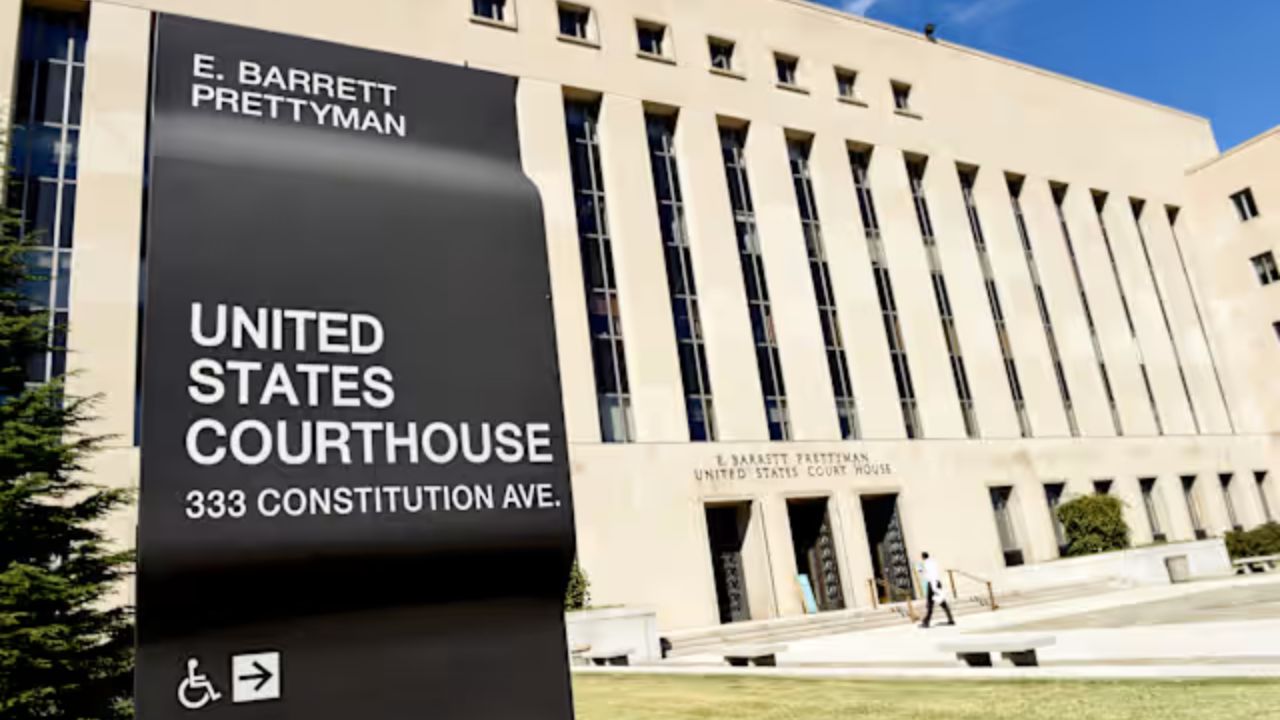
by Washington, D.C. — A man tied to one of Mexico’s most violent drug cartels has been sentenced to more than 11 years in federal prison after authorities say he faked his own death and hid in Southern California while laundering millions of dollars for the criminal organization.
Cristian Fernando Gutierrez-Ochoa, 28, received a sentence of 11 years and eight months on Thursday after pleading guilty to conspiring to launder drug trafficking proceeds for the Jalisco New Generation Cartel (CJNG), according to federal court records.
Prosecutors say cartel ties ran deep
Gutierrez-Ochoa is linked by family to the top of the CJNG hierarchy. Authorities said the father of his longtime girlfriend is Nemesio Rubén Oseguera Cervantes, the cartel’s notorious leader known as “El Mencho,” who remains a fugitive.
U.S. prosecutors described CJNG as one of the largest and most violent narcotics trafficking organizations in the world, responsible for flooding the United States with cocaine, methamphetamine, and other drugs.
“It’s a dangerous way to make a living,” U.S. District Judge Beryl Howell said during sentencing. “It’s a dangerous way to live.”
Alleged kidnapping plot in Mexico
Court filings say Gutierrez-Ochoa was also wanted in Mexico in connection with a 2021 incident involving the alleged kidnapping of two Mexican Navy members. Authorities believe the abductions were intended to pressure officials into releasing El Mencho’s wife after her arrest.
According to a Drug Enforcement Administration affidavit, Gutierrez-Ochoa later faked his death, leading even cartel associates to believe he had been killed.
Hidden life in California uncovered
Instead of being dead, investigators say Gutierrez-Ochoa fled Mexico and quietly resettled in Riverside, California, where he lived under a false identity.
Prosecutors said he and his girlfriend lived what they described as a “CJNG-sponsored life of abundance,” including residing in a $1.2 million home allegedly purchased using laundered cartel money.
He was arrested in November 2024, ending years of hiding.
Guilty plea and sentencing decision
In June, Gutierrez-Ochoa pleaded guilty to conspiring to launder millions of dollars in drug proceeds. Federal prosecutors pushed for a 14-year sentence, calling him a trained cartel operative embedded in the U.S.
“The CJNG kills, tortures, and corrupts to traffic staggering quantities of drugs,” prosecutors wrote, saying the profits fuel cycles of violence that devastate communities.
Defense attorneys argued for a seven-year sentence, emphasizing remorse and rehabilitation.
Gutierrez-Ochoa told the court he accepted responsibility.
“I regret all of this,” he said through a translator. “Never again will I make a mistake like this in my life.”
Judge Howell ultimately imposed a sentence between the two recommendations.
CJNG labeled terrorist organization
The sentencing comes amid heightened U.S. pressure on Mexican cartels. Earlier this year, the present administration officially designated CJNG as a foreign terrorist organization, giving prosecutors broader authority to pursue cartel members and associates.
The U.S. State Department continues to offer a reward of up to $15 million for information leading to the capture of El Mencho.
Other cartel leaders face severe sentences
Gutierrez-Ochoa’s sentence follows a series of major convictions tied to CJNG leadership:
- José González Valencia, El Mencho’s brother-in-law, was sentenced in June to 30 years in prison
- Rubén Oseguera, known as “El Menchito,” El Mencho’s son, was sentenced in March to life in prison after a jury conviction
Federal officials say these cases reflect a broader strategy to dismantle cartel networks operating on both sides of the border.
Read Also: 16 Arrested in Puente-13 Gang Crackdown as Federal Case Alleges Mexican Mafia Ties
Case highlights cross-border reach of cartels
Authorities stressed that Gutierrez-Ochoa’s case underscores how cartel operations extend well beyond Mexico, relying on money laundering, false identities, and safe havens inside the U.S.
Judge Howell noted during sentencing that CJNG remains a “dangerous force” domestically, despite ongoing enforcement efforts.
Gutierrez-Ochoa will serve his sentence in federal custody, after which he may face additional legal proceedings related to his immigration status.
Do you think U.S. terrorism designations will meaningfully weaken cartel operations? Share your thoughts in the comments.