 by
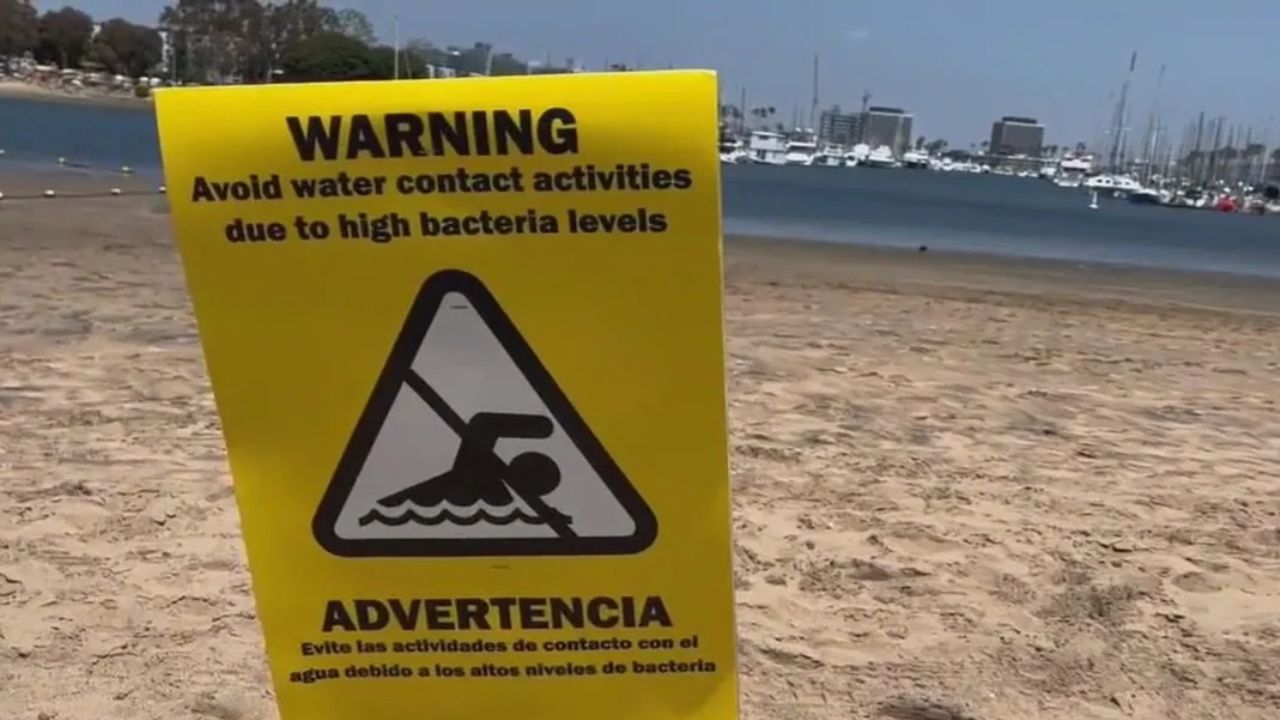
by Los Angeles County, California — Following a powerful New Year’s week storm, public health officials are urging residents and visitors to stay out of all Los Angeles County beaches due to elevated bacteria levels and hazardous runoff conditions. The advisory comes as stormwater continues to flow into the ocean, carrying pollutants that pose health risks.
According to the Los Angeles County Department of Public Health, recent rainfall has caused contamination from excessive bacteria, trash, chemicals, and debris to wash into coastal waters from city streets, creeks, rivers, and mountain areas.
Why beaches are considered unsafe right now
Health officials say stormwater runoff is a major concern after rainfall events. Water flowing through storm drains often carries harmful substances directly into the ocean, especially near discharging storm drains, creeks, and river outlets.
In addition to bacterial contamination, officials warn that runoff can also transport physical hazards such as:
- Partially submerged tree limbs
- Logs and debris floating in nearshore waters
- Contaminated runoff pooling on wet beach sand
These conditions significantly increase the risk of illness or injury for anyone entering the water.
Health risks tied to ocean exposure after storms
Officials caution that any contact with ocean water or wet sand during the advisory period could lead to illness, particularly for:
- Children
- Older adults
- Individuals who are immunocompromised
Exposure may result in gastrointestinal illness, skin rashes, ear and eye infections, and respiratory issues.
Advisory timeline and possible extension
The county says the beach advisory will remain in effect until at least Monday, Jan. 5 at 4 p.m., though it may be extended depending on additional rainfall or water quality test results.
Typically, rain-related beach advisories stay active for 72 hours after rainfall ends, but lingering runoff can delay safe conditions.
Cabrillo Beach remains closed due to sewage spill
Separately, Cabrillo Beach remains closed to the public after approximately 100,000 gallons of sewage spilled into the ocean on Christmas Eve.
Officials advise visitors to avoid ocean water and wet sand at Cabrillo Beach until further notice, regardless of the broader county advisory timeline.
How beach safety decisions are made
The health department regularly tests ocean water samples for bacteria levels. Advisories are lifted only when results meet California state safety standards.
Officials stress that even if water appears clear, bacteria levels can remain dangerously high after storms.
Where to find updates and report concerns
Residents and visitors can access the latest beach closure maps and advisory updates through the Los Angeles County Department of Public Health website or by calling the county’s public health hotline at 1-800-525-5662.
To report a beach emergency or issue:
- Call the L.A. County Operator at 626-430-5360
- After hours, call 213-974-1234
What officials recommend
Until advisories are lifted, the public is urged to:
- Avoid swimming, surfing, or wading in ocean water
- Stay clear of storm drain outlets
- Keep children and pets away from wet sand
- Follow posted beach closure and warning signs
Read Also: San Diego’s Only Sprinkles Cupcakes Store in La Jolla Closes as Chain Shuts Down
A reminder for future storms
Health officials note that beach advisories are common after major storms and serve as a precautionary measure to protect public health. Even brief rainfall can significantly degrade water quality along the coast.
Have you encountered beach closures or storm-related advisories recently? Share your experience or questions in the comments, and stay informed before heading to the coast during and after storms.