 by
by Chicago, Illinois — A federal class-action lawsuit filed in Illinois is accusing McDonald’s of misleading consumers by marketing its iconic McRib sandwich as a pork rib product — despite allegations that it contains no actual rib meat at all.
The lawsuit, filed December 23 in the Northern District of Illinois, claims the fast-food giant deceived customers who reasonably believed the McRib included at least some portion of pork rib meat, based on its name and marketing.
Plaintiffs allege McRib name misleads consumers
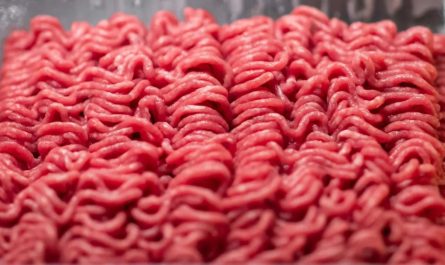
The legal action was brought by four plaintiffs, who argue that the name “McRib” leads reasonable consumers to believe the sandwich contains actual pork ribs. Instead, the lawsuit alleges the product is made from ground, restructured pork derived from lower-grade cuts.
According to the complaint, the sandwich allegedly contains pork sourced from shoulder meat, heart, and scalded stomach, rather than rib meat.
The plaintiffs argue that branding and presentation play a key role in shaping consumer expectations — and that McDonald’s knowingly benefits from that perception.
McDonald’s ingredient description cited in lawsuit
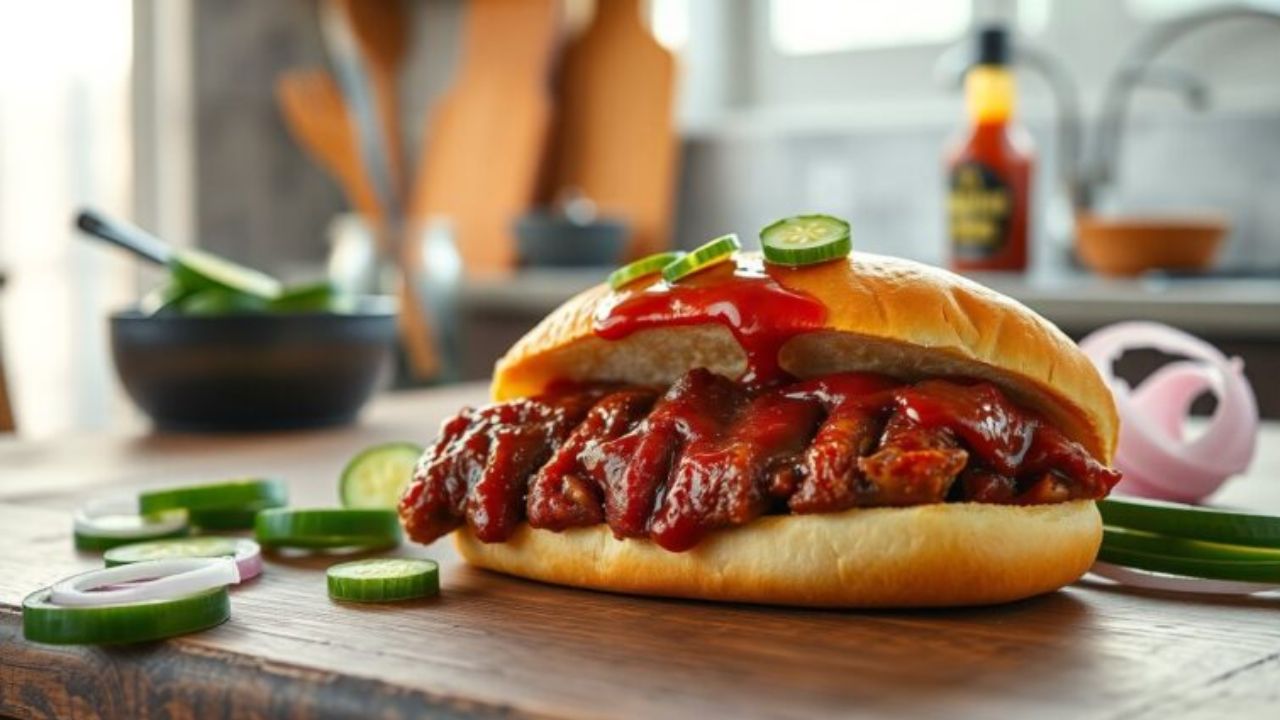
The lawsuit references McDonald’s own public ingredient description, which states the McRib is made of:
“Seasoned boneless pork dipped in a tangy BBQ sauce, topped with slivered onions and tangy pickles, all served on a toasted homestyle bun.”
While the description does not explicitly state “rib meat,” plaintiffs argue that the name itself strongly implies rib content — creating what they claim is a material misrepresentation.
Multiple fraud and consumer protection claims filed
The complaint includes 16 separate legal claims, including:
- Fraudulent misrepresentation
- Fraudulent omission or concealment
- Negligent misrepresentation
- Breach of contract
- Common law fraud
The lawsuit also alleges violations of state consumer protection laws in California, Illinois, New York, and Washington, D.C.
Plaintiffs say these claims reflect a pattern of deceptive marketing practices that allowed McDonald’s to profit from consumer confusion.
McDonald’s responds, denies wrongdoing
In response to the lawsuit, McDonald’s issued a statement, strongly disputing the allegations.
“This lawsuit distorts the facts and many of the claims are inaccurate,” the company said. “Food quality and safety are at the heart of everything we do. Our fan-favorite McRib sandwich is made with 100% pork sourced from farmers and suppliers across the U.S. We’ve always been transparent about our ingredients so guests can make the right choice for them.”
McDonald’s did not directly address whether the pork used comes from rib meat specifically.
Limited-time availability cited as source of confusion
The lawsuit also points to the McRib’s sporadic, limited-time availability as a factor that allegedly worsens consumer misunderstanding.
First introduced in 1981, the McRib has returned intermittently over the decades — a marketing strategy the plaintiffs argue discourages scrutiny.
“This cycle of sporadic availability creates a sense of urgency that discourages deep consumer scrutiny,” the lawsuit states, adding that it reinforces misconceptions about the sandwich’s true contents.
Plaintiffs seek damages and injunctive relief
The plaintiffs are seeking class certification for anyone who purchased a McRib in the four years prior to the filing of the lawsuit.
They are requesting:
- Financial damages for class members
- Restitution for alleged consumer deception
- Injunctive relief to prevent what they describe as future misleading advertising
If approved, the case could include consumers across multiple states.
McRib recently returned to select U.S. markets
Despite the legal action, the McRib recently made another limited comeback. In mid-November, the sandwich returned to select U.S. markets, including Chicago, Miami, Dallas, St. Louis, Atlanta, Seattle, and Los Angeles.
As with previous releases, McDonald’s has not specified how long the McRib will remain on menus.
Case highlights broader food labeling debates
Legal experts say the lawsuit reflects growing scrutiny of food labeling and marketing language, especially when product names imply ingredients that may not be present in a recognizable form.
The case remains in its early stages, and McDonald’s has not yet filed a formal court response beyond its public statement.
Do you think the McRib name is misleading — or is this a case of consumers reading too much into branding?
Share your thoughts in the comments and join the discussion as this lawsuit unfolds.