
 by
by San Francisco, California — A major fashion retailer has quietly reduced its physical footprint in the United States and abroad, as changing consumer habits and rising operating costs continue to reshape the retail landscape. While many shoppers may not have noticed the gradual pullback, industry analysts say the move reflects a broader strategy rather than financial distress.
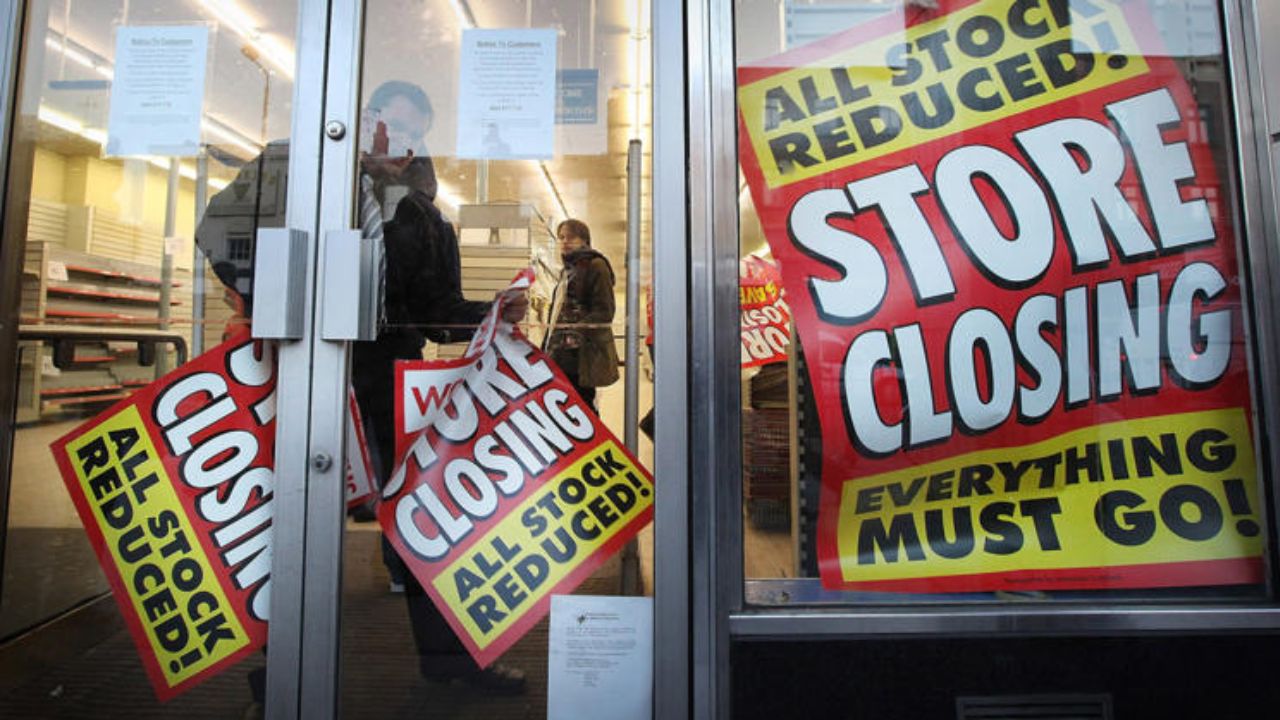
Retail closures accelerated across the country in 2025, with Coresight Research projecting nearly 15,000 store shutdowns nationwide, almost double the number recorded the previous year. Inflation, higher import costs tied to tariffs, and a steady shift toward online shopping have all contributed to the trend, affecting brands across price points.
Among the retailers trimming locations is Zara, one of the world’s best-known fast-fashion brands.
Zara and parent company Inditex reduce store count
Zara’s parent company, Inditex, has closed 132 stores worldwide across its portfolio, according to industry reports. The closures include:
- 60 Zara stores
- 27 Zara Home locations
- 12 Pull&Bear stores
- 23 Massimo Dutti stores
- 6 Stradivarius locations
- 18 Oysho stores
At the same time, 14 new Inditex-brand stores opened, signaling that the company is selectively consolidating rather than retreating entirely from physical retail.
Company executives have not widely publicized the closures, and many occurred quietly as leases expired rather than through abrupt shutdown announcements.
High-profile California locations affected
California has seen some of the most visible changes. In San Francisco, Zara closed its large store inside the San Francisco Centre mall in June. The location spanned nearly 27,600 square feet, reflecting the brand’s former emphasis on expansive, high-traffic mall spaces.
Another major closure is on the horizon. Zara’s three-story flagship store at 250 Post Street in Union Square is expected to close when its lease expires in January, according to retail sources. The company plans to continue operating a nearby location at Emporium Centre, maintaining a presence in the city while reducing square footage.
Read Also: What to Do in and Around Chicago Before Christmas Weekend
Retail experts say this approach allows brands to stay visible in key markets while cutting costs associated with oversized stores.
Closures tied to strategy, not financial trouble
Despite the store reductions, Inditex is far from struggling. In fact, the company has outperformed Wall Street expectations, posting a 10.6% jump in sales in November and generating roughly $11.5 billion in revenue between August and November.
Executives say the closures are part of a $1 billion global strategy aimed at improving long-term profitability and strengthening digital operations.
“The end result of our unique approach is the integration of the physical with the online experience in a seamless manner,” — Óscar García Maceiras, Inditex CEO, during the company’s third-quarter earnings call.
The strategy focuses on fewer but more efficient stores, often paired with robust e-commerce fulfillment, in-store pickup options, and faster inventory turnover.
Fewer stores, larger digital footprint
Industry analysts note that Zara has been ahead of many competitors in adapting to digital retail. The brand’s ability to quickly translate runway trends into products — and then distribute them efficiently — has made its online channel increasingly important.
By closing underperforming or high-cost locations, Inditex can redirect resources toward:
- Online fulfillment and logistics
- Technology upgrades
- Flagship or high-performing urban stores
- Sustainability initiatives
This hybrid approach reflects a broader shift among fashion retailers, who now view physical stores as part of an ecosystem rather than the center of the business.
Protests and criticism add complexity
While not cited as a direct reason for the closures, Zara has faced demonstrations in parts of Europe and the United States. Some protesters have criticized the company’s expanded operations in Israel, while others have accused the brand of unfair labor practices.
Inditex has not linked store closures to these protests, and the company has continued to emphasize compliance with local labor laws and international standards.
Retail analysts say reputational issues can influence long-term brand strategy, but financial performance remains the dominant factor driving store decisions.
A sign of retail’s new normal
Zara’s quiet closures underscore how retail is evolving. Large, high-rent stores that once symbolized brand power are increasingly being replaced by smaller, more strategic locations supported by online sales.
For shoppers, the changes may feel subtle — a familiar store disappearing here, a flagship closing there — but for the industry, they represent a fundamental shift in how fashion brands operate.
As 2025 continues, experts expect more well-known retailers to quietly follow the same path, shrinking physical footprints while investing heavily in digital experiences.
Have you noticed favorite stores disappearing in your area, or do you shop more online now than before? Share your thoughts in the comments.