Searching for abandoned places in Clearwater FL sounds like a straightforward urban-exploration question. You might expect a list of empty hotels, forgotten houses, and old buildings where you can walk around with a camera.
The reality is different.
Clearwater has had abandoned and long-vacant properties, but many have been redeveloped, while others are privately owned or restricted. There simply aren’t many abandoned buildings in Clearwater that you can legally walk into and explore.
If what you really want is the feeling of discovering old Clearwater, though, you have better options. Historic schools, museums, old civic buildings, neighborhoods, and former landmarks can give you a much better look at how the city developed without trespassing on an unsafe property.
Here are the historic places I would put on your Clearwater itinerary instead.
Does Clearwater Have Abandoned Places?
Yes, Clearwater has had properties that were vacant or abandoned over the years. The problem is that “abandoned” does not mean “open to explore.”
One of the best-known examples was the former Strand office tower on Cleveland Street. It spent years vacant before being redeveloped rather than becoming a permanent abandoned landmark.
North Ward School is another property that can look like an abandoned building today. The historic school dates to 1915, with another structure added in 1926, and closed in 2009. The City of Clearwater now describes it as a historic landmark and is exploring options for its preservation and reuse.
So if you’re looking for somewhere to legally explore Clearwater’s past, I’d change the question slightly:
Instead of asking which abandoned buildings you can enter, ask which historic places you can actually visit.
That’s where Clearwater gets much more interesting.
1. Clearwater Historical Society Museum & Cultural Center
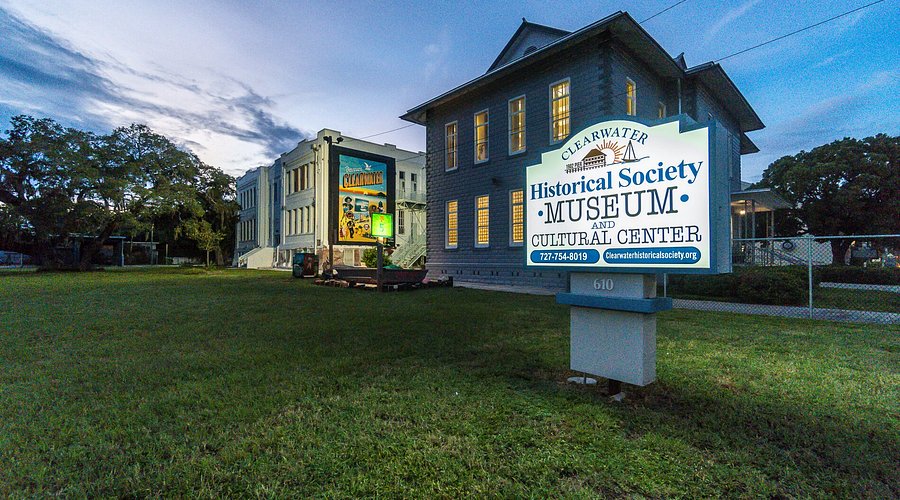
If you only have time for one place to understand Clearwater’s history, start here.
The Clearwater Historical Society Museum and Cultural Center is housed at the historic South Ward School at 610 S. Fort Harrison Avenue. The school itself is an important part of Clearwater’s educational history, and the museum uses the site to tell the story of the city and surrounding area.
Inside, you’ll find photographs, artifacts, school yearbooks, local records, and exhibits covering different parts of Clearwater’s past. The Historical Society also maintains collections of old photographs, yearbooks, phone books, plats, and other historical material.
This is much more useful than simply looking at an abandoned building from behind a fence because you get the story behind the buildings and people.
What makes it worth visiting?
The museum is particularly useful if you want to understand how Clearwater changed from a small settlement into a major Gulf Coast destination.
It also gives you context for other historic places you’ll see around town.
Good to know: The Historical Society currently lists museum hours as Wednesday through Saturday, 10 a.m. to 2 p.m. Private tours are also available. Check the museum’s current schedule before heading over.
2. South Ward School
You don’t have to look for a crumbling abandoned school to see an old Clearwater school building.
South Ward School itself is part of the Clearwater Historical Society campus and has been given a new life as a museum and cultural center.
The Historical Society describes South Ward as an important link to the beginnings of public education in Clearwater and Pinellas County. The property was leased to the Historical Society in 2014, and restoration work followed with public and private funding.
That makes South Ward particularly interesting for travelers searching for the old Clearwater rather than simply an abandoned structure.
You can see historic architecture, learn about local schools, and explore exhibits in a building that has actually been preserved rather than left to deteriorate.
Best for: History lovers, architecture fans, families, and anyone interested in Clearwater before modern tourism took over.
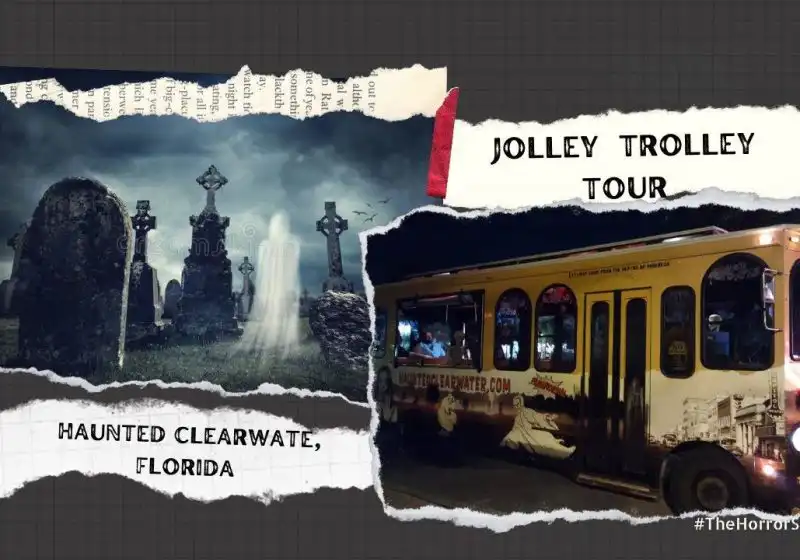
READ MORE: Experience the New Jolley Trolley Tour: Haunted Clearwater
3. North Ward School
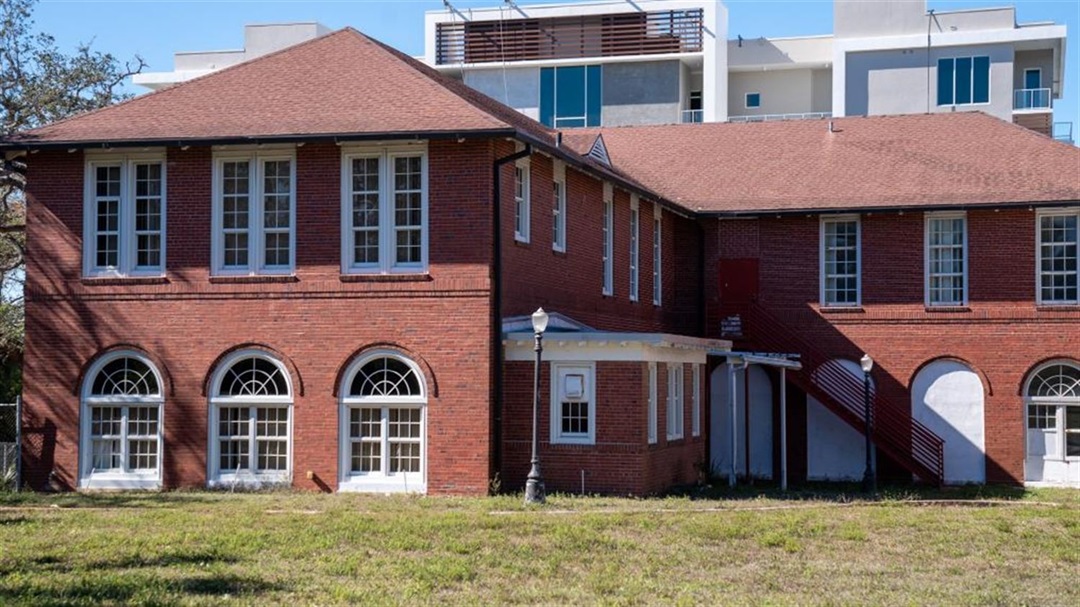
North Ward School is probably the closest thing to what people imagining abandoned places in Clearwater FL have in mind.
The original school was built in 1915, with a second structure added in 1926. It was one of the early public schools in Pinellas County and later became integrated in the late 1960s and early 1970s. The school closed in 2009.
Today, the City of Clearwater is working toward a future for the property that preserves its historic buildings while finding a new community use. The city says stabilization work is underway, including roof repairs and protective coverings.
Can you explore North Ward School?
Not as a normal walk-in attraction.
The property is being considered for preservation and redevelopment, and access is not something you should assume is available.
However, the city has occasionally opened the property for special events. For example, Night at North Ward in July 2026 allowed visitors to tour the school and learn about its history as part of a public event.
That’s the approach to watch for: official tours or events rather than unauthorized exploration.
Best for: Travelers interested in historic schools, architecture, local history, and Clearwater’s older neighborhoods.
4. Old Pinellas County Courthouse
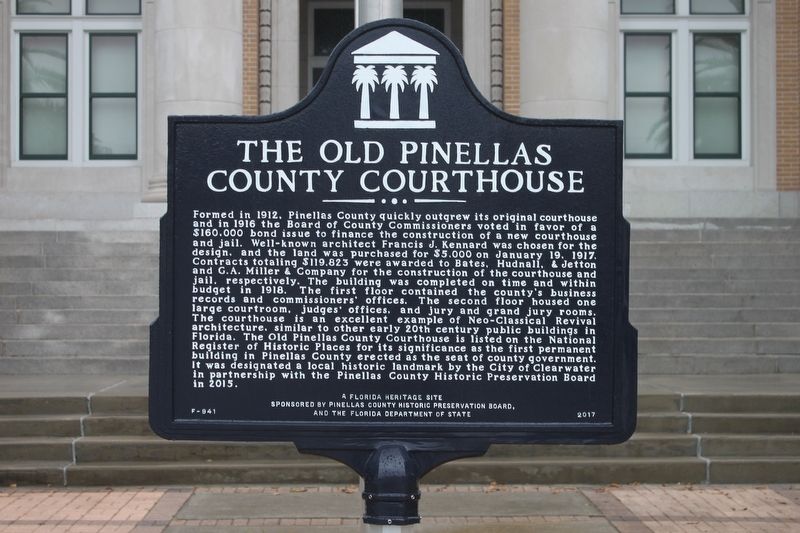
For architecture and local government history, head downtown to the Old Pinellas County Courthouse.
The courthouse at 315 Court Street in Clearwater is listed on the National Register of Historic Places. Its significance includes both architecture and government history, and it dates to the period when Clearwater was developing into an important center for the county.
Formed in 1912, Pinellas County quickly outgrew its original courthouse and in 1916 the Board of County Commissioners voted in favor of a $160,000 bond issue to finance the construction of a new courthouse and jail. Well-known architect Francis J. Kennard was chosen for the design, and the land was purchased for $5,000 on January 19, 1917. Contracts totaling $119,823 were awarded to Bates, Hudnall, & Jetton and G.A. Miller & Company for the construction of the courthouse and jail, respectively. The building was completed on time and within budget in 1918. The first floor contained the county’s business records and commissioners’ offices. The second floor housed one large courtroom, judges’ offices, and jury and grand jury rooms. The courthouse is an excellent example of Neo-Classical Revival architecture, similar to other early 20th century public buildings in Florida. The Old Pinellas County Courthouse is listed on the National Register of Historic Places for its significance as the first permanent building in Pinellas County erected as the seat of county government. It was designated a local historic landmark by the City of Clearwater in partnership with the Pinellas County Historic Preservation Board in 2015.
the City of Clearwater in partnership with the Pinellas County Historic Preservation Board in 2015.
It doesn’t have the abandoned atmosphere you might be searching for, but it offers something more valuable: a physical connection to Clearwater’s civic history.
The City of Clearwater also identifies the Old Pinellas County Courthouse as a locally designated historic property.
Best for: Architecture, photography, and travelers who enjoy historic civic buildings.
Travel tip: Combine this with a walk through downtown rather than making it a standalone stop.
5. Downtown Clearwater and Cleveland Street
Sometimes the best way to explore a city’s history isn’t to visit one building.
It’s to walk.
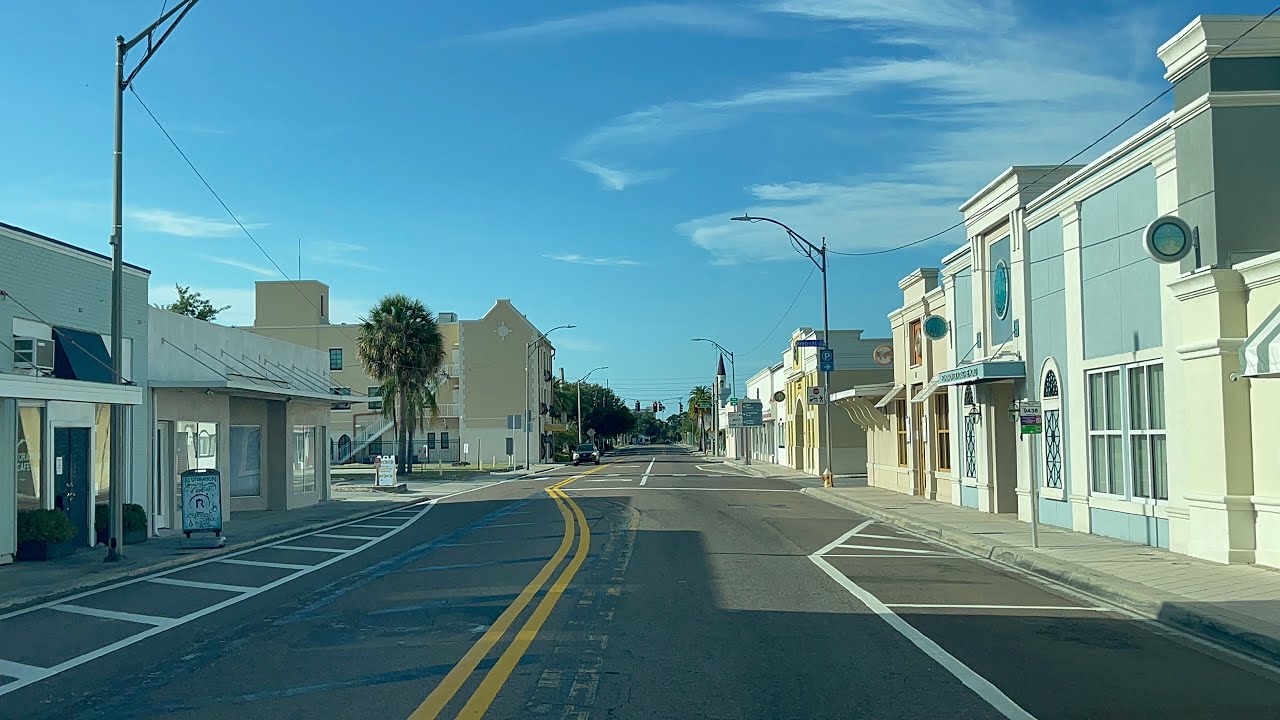
Downtown Clearwater and the Cleveland Street area show several different stages of the city’s development. You’ll see older buildings alongside newer development, renovated properties, public spaces, and remnants of earlier commercial Clearwater.
This is also where the story of the former Strand becomes interesting.
The Strand: an abandoned building that isn’t abandoned anymore
The former Strand was once one of Clearwater’s most recognizable vacant buildings. Instead of remaining an abandoned landmark, it was redeveloped into 1100 Apex.
That makes it a useful stop for anyone researching Clearwater’s abandoned-building history, but don’t go looking for the abandoned tower described in old urban-exploration articles.
That version of the building is gone.
The larger lesson is that Clearwater’s vacant properties often become redevelopment stories rather than permanent ruins.
6. Old Bay District and North Marina Area
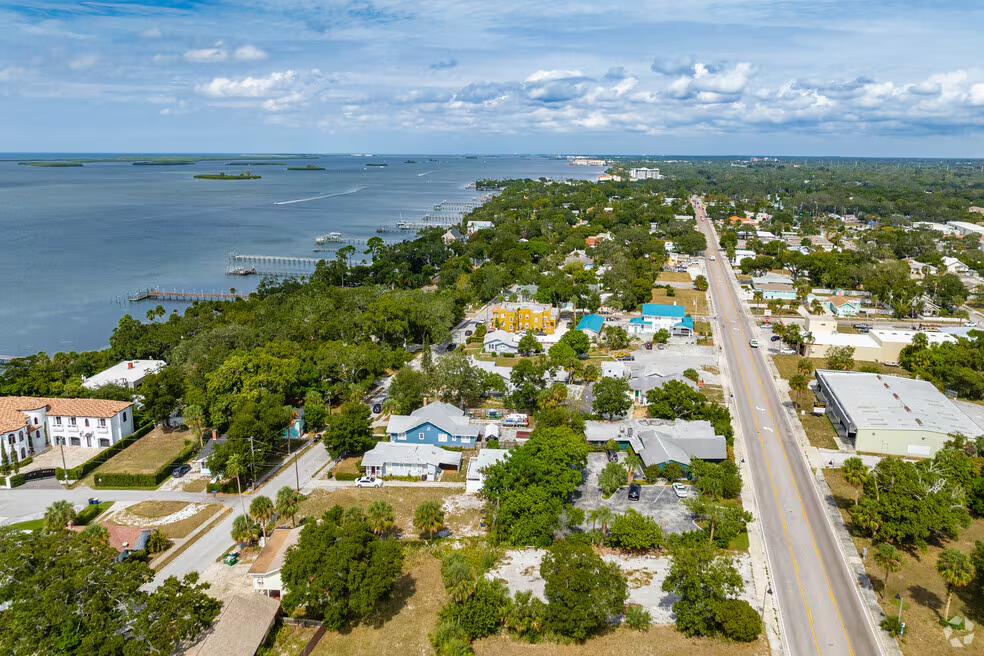
If you’re interested in older Clearwater neighborhoods, spend some time around the Old Bay District north of downtown.
This area is associated with North Ward School and contains a mixture of older homes, small businesses, churches, and residential buildings. The City of Clearwater describes it as a historic neighborhood with a strong connection to the community’s past.
This is a better choice if your idea of exploration means walking around, photographing older architecture, and seeing how a neighborhood has changed over time.
You don’t need an abandoned building to get that feeling.
Best for: Walking, photography, architecture, and travelers who prefer exploring neighborhoods rather than checking off attractions.
7. Pinellas County African American History Museum at the Curtis
Clearwater’s history isn’t just about tourism and beaches.
The Pinellas County African American History Museum at the Curtis is located in the former Curtis Elementary School at 1101 Marshall Street. The museum focuses on Black history, culture, and life in Pinellas County and serves as a research center and repository for local historical information.
This is one of the more important stops to add if you want a fuller picture of Clearwater’s past.
One important update before you go
The museum’s website currently says its open on Tuesdays and Saturdays from 10:00 a.m. to 2:00 p.m., and on Thursdays and Fridays by appointment only, so don’t plan a visit based on older opening-hour information you might find elsewhere.
Check its official site before making the trip.
Best for: Travelers interested in local history, civil rights, Black history, and the communities that helped shape Clearwater.
8. Clearwater Marine Aquarium’s History

This one isn’t an old building in the traditional sense, but its history is significant enough to make it worth including.
The story of Clearwater Marine Aquarium began in 1972, when local volunteers established a marine biology learning center. The organization eventually grew into the aquarium visitors know today.
The aquarium’s history is particularly connected to rescued marine animals, including Sunset Sam and Winter the dolphin.
Winter was rescued in 2005 after becoming entangled in a crab-trap line. Her story later inspired Dolphin Tale and Dolphin Tale 2, bringing international attention to Clearwater Marine Aquarium.
Winter died in 2021, but her story remains part of the aquarium’s visitor experience. The aquarium now has an immersive Tales of Winter the Dolphin exhibit.
Why include it in a history-focused itinerary?
Because it shows a different side of Clearwater’s development.
You’re not just looking at old buildings. You’re seeing how a small local marine organization grew into an attraction known around the world.
Best for: Families, Dolphin Tale fans, marine-life enthusiasts, and visitors interested in Clearwater’s more recent history.
9. Fort Harrison Historical Marker
Long before Clearwater became a beach vacation destination, the area had a very different history.
During the Seminole Indian Wars, the government built Fort Harrison in the Clearwater area as a recuperation center for soldiers rather than as a traditional defensive fort. The fort was abandoned in 1841, and its location is commemorated by a plaque in the Harbor Oaks area.
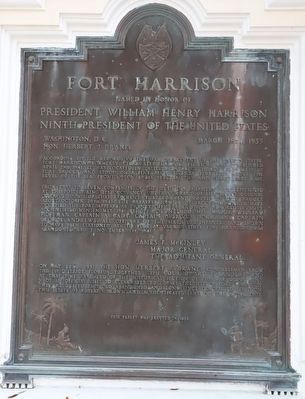
There isn’t a fort waiting for you to walk through today.
That’s precisely why the historical marker is interesting. It points to a much earlier chapter of Clearwater’s story, before the city became the tourist destination most visitors recognize.
Best for: Travelers interested in early Florida history.
The Best Way to Explore Clearwater’s History
If your original search for abandoned places is really about old, unusual, forgotten, or historic Clearwater, I’d plan your day around several smaller stops rather than hunting for a single abandoned building.
A practical route could look like this:
Morning:
Start at the Clearwater Historical Society Museum and South Ward School.
Late morning:
Explore the surrounding historic areas and continue toward the Old Pinellas County Courthouse.
Afternoon:
Walk through downtown and the Cleveland Street area, then continue toward Coachman Park and the waterfront.
If available:
Look for an officially scheduled North Ward School tour or community event.
Another day:
Visit Clearwater Marine Aquarium if you want to explore the city’s more recent marine-rescue history.
You aren’t just looking at an empty structure and wondering what happened there. You’re learning why the building existed, who used it, how Clearwater changed, and what happened afterward.
What Happened to Clearwater’s Abandoned Buildings?
Some properties that appear in older articles as abandoned Clearwater locations have since changed.
The Strand is the obvious example. North Ward School is another property whose future is being actively considered rather than simply left to decay.
Clearwater’s official historic-preservation program identifies properties such as North Ward School and the Old Pinellas County Courthouse for local historic designation.
So an old article from several years ago can give you the wrong impression of what you’ll find when you arrive.
If you’re planning a trip specifically around abandoned places, always check the current status of a property before going.
Can You Explore Abandoned Buildings in Clearwater?
Not unless you have permission to enter the property.
A building can be empty, boarded up, fenced off, or visibly deteriorating and still be privately owned or otherwise restricted.
That is especially important with historic properties. Entering an unstable building can also expose you to hazards that aren’t obvious from the street.
If you enjoy urban photography, you can still photograph historic architecture from places where you’re legally allowed to be. For interior access, look for official tours, museum hours, preservation events, or permission from the property owner.
North Ward School is a good example. Instead of treating it like an abandoned building to sneak into, watch for official opportunities such as the city’s 2026 Night at North Ward event.